Cart
1
You may also like
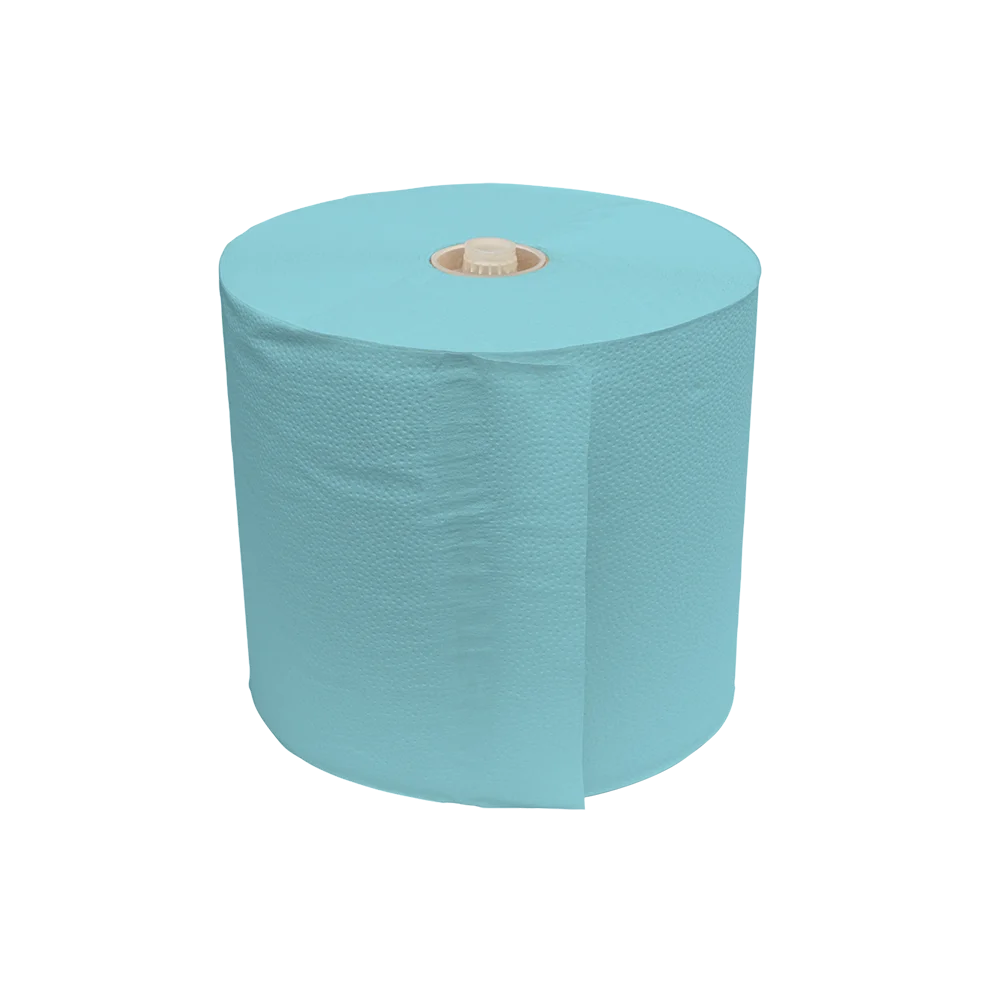

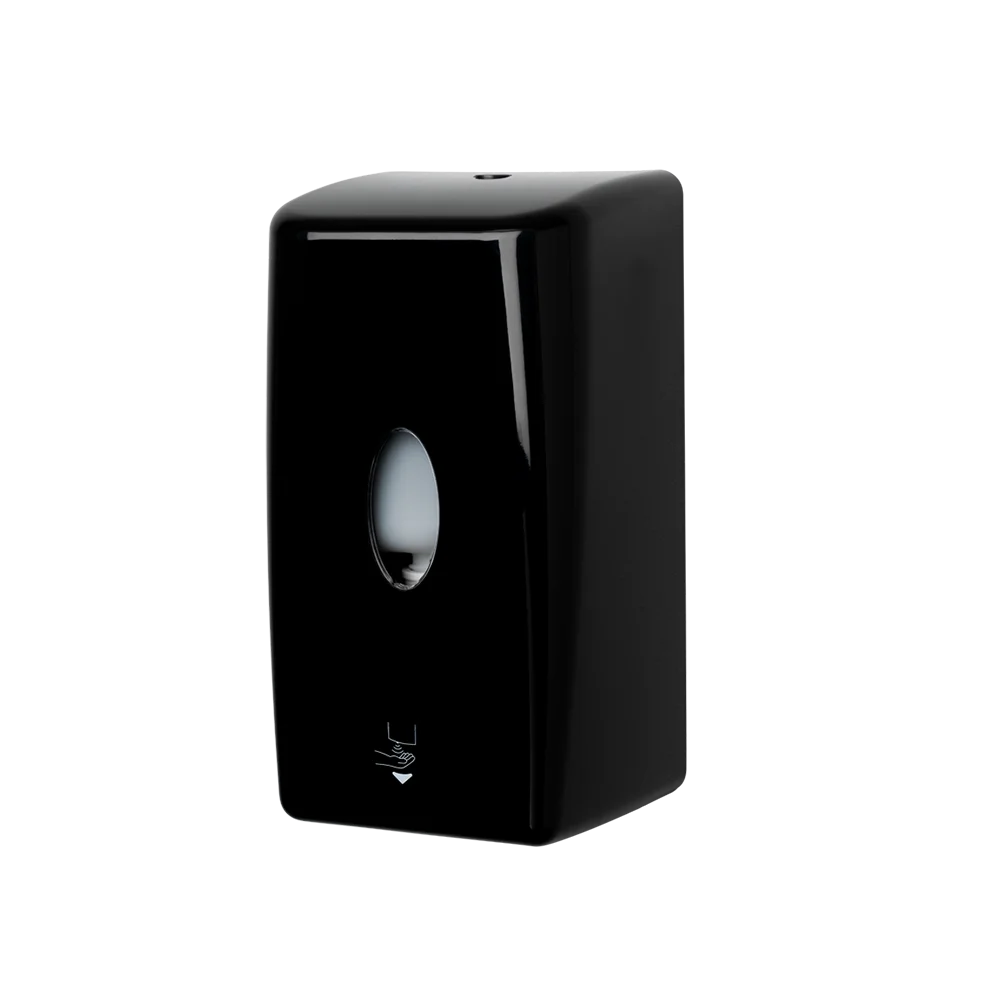
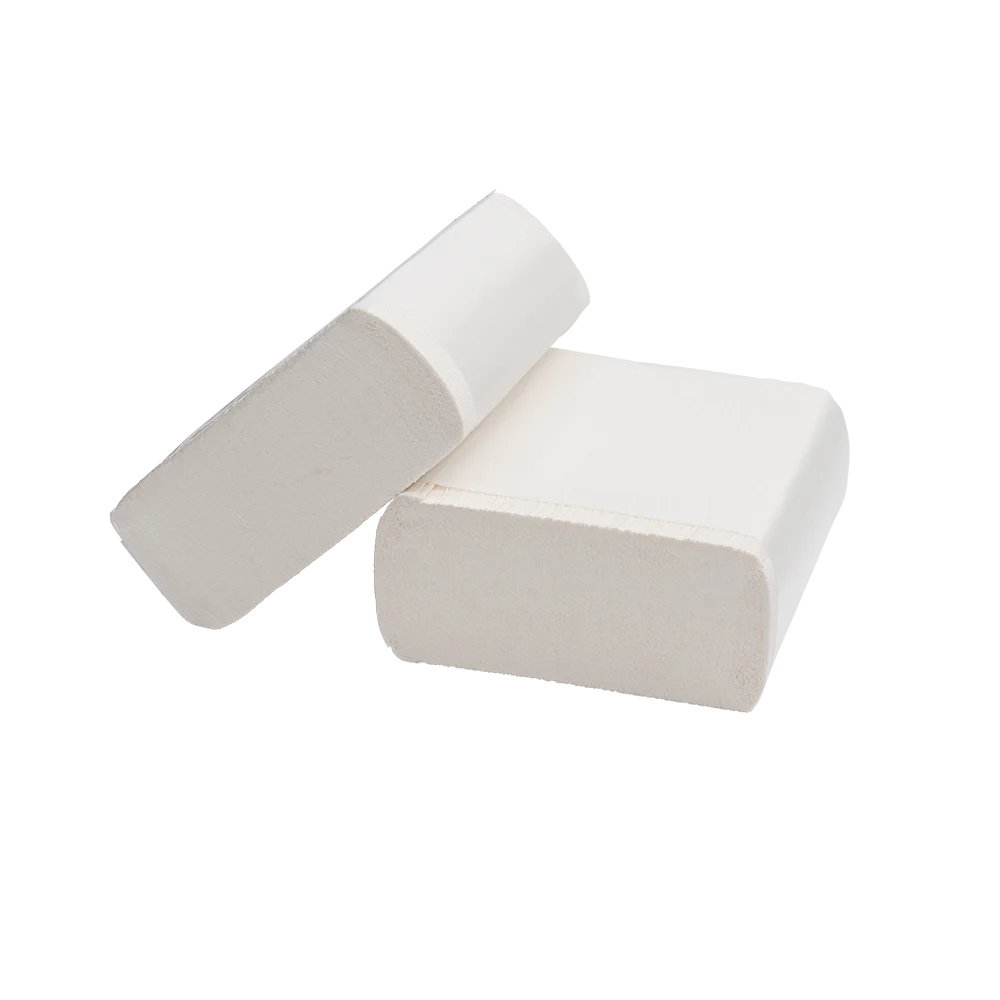


Commercial washroom products combine material science, manufacturing processes and practical design.
From the fibres used in tissue production to the mechanisms inside automatic dispensers, understanding how products work helps businesses make informed decisions.
Paper tissue begins with fibres that are processed into pulp.
These fibres are mixed with water, formed into sheets, pressed and dried to create paper products.
The resulting tissue characteristics depend on several factors:
Sugarcane Fibre
Sugarcane bagasse is a fibrous by-product of sugarcane processing.
It can be processed into pulp for paper and tissue manufacturing.
Bamboo Fibre
Bamboo contains cellulose fibres that can be processed for paper production.
The final product's environmental profile depends on the sourcing and manufacturing process.
Recycled Paper Fibre
Recovered paper is processed and prepared for reuse in new paper products.
Fibre quality and processing methods influence the characteristics of recycled tissue.
Virgin Pulp Fibre
Virgin pulp is produced from newly processed plant material.
It can be manufactured into tissue products with different levels of softness, strength and absorbency.
Ply refers to the number of tissue layers used in a product.
A 2-ply towel or toilet roll consists of two layers, while a 3-ply product consists of three.
Ply alone does not determine overall product quality. Fibre type, sheet structure, embossing and manufacturing also influence performance.
Dispensers are designed to hold and release consumables in a controlled and convenient way.
Different mechanisms support different product formats.
Examples include:
Compatibility between the dispenser and refill product is essential for correct operation.
Commercial hand dryers use airflow to help remove moisture from washed hands.
Different models use different motor, heating and airflow technologies.
When comparing hand dryers, consider:
Effective washroom design considers accessibility, cleaning, maintenance, ventilation, handwashing facilities and appropriate placement of consumables.
Product selection should support the practical needs of the people using the facility.
Tell us a bit about your setup and we'll get a free sample of FIG or Sweet Cheeks in the post.