Cart
0
You may also like
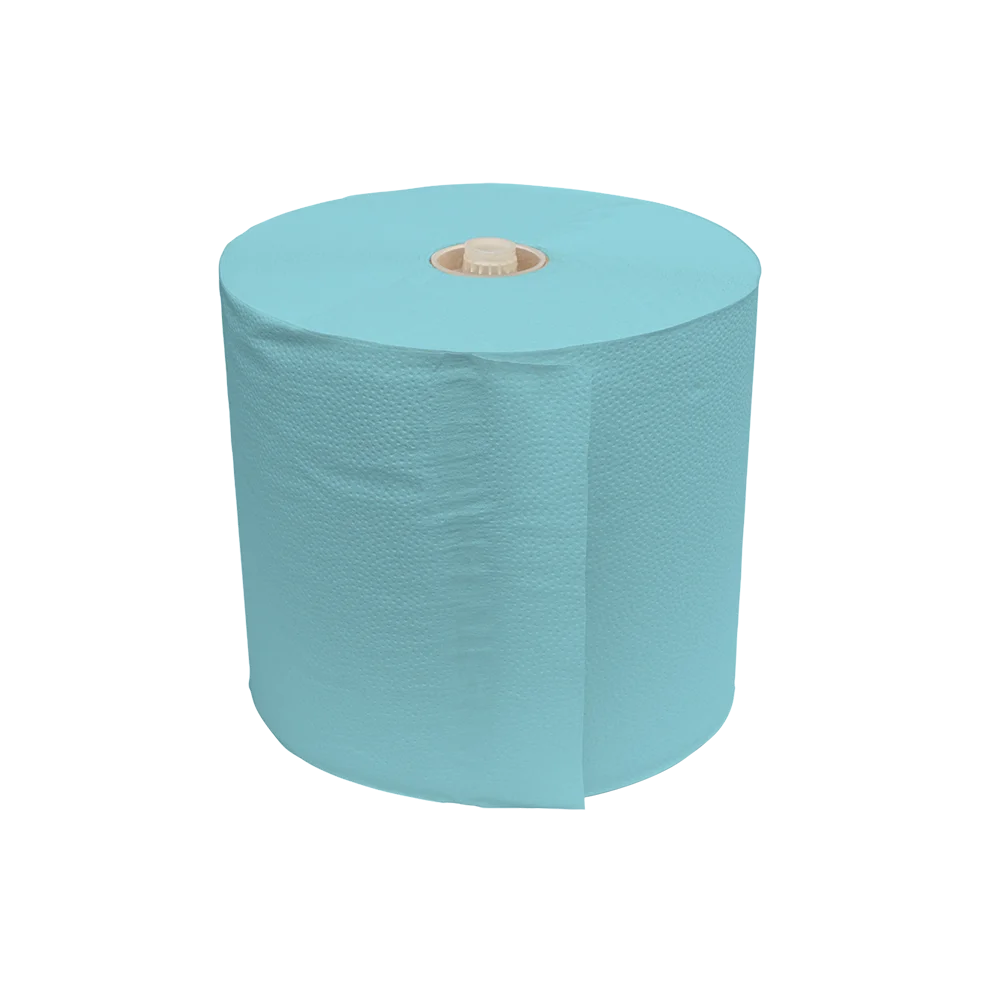
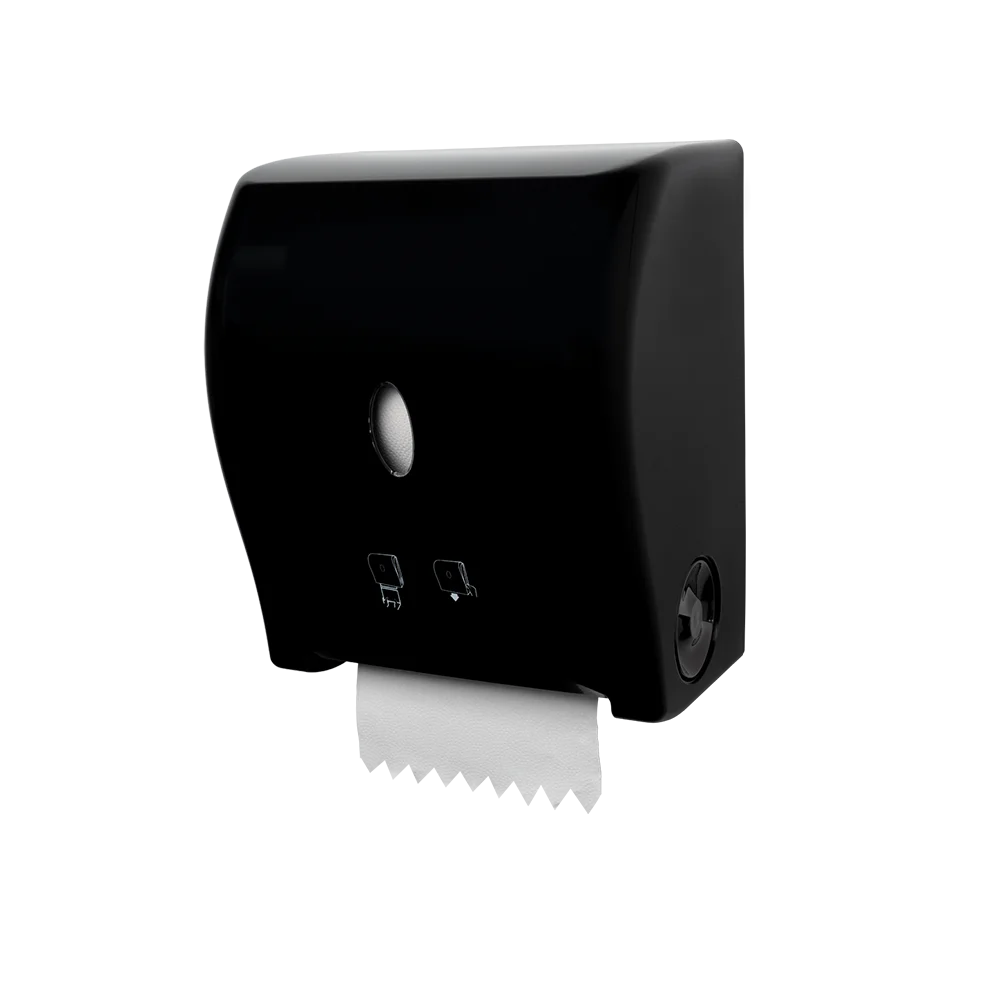
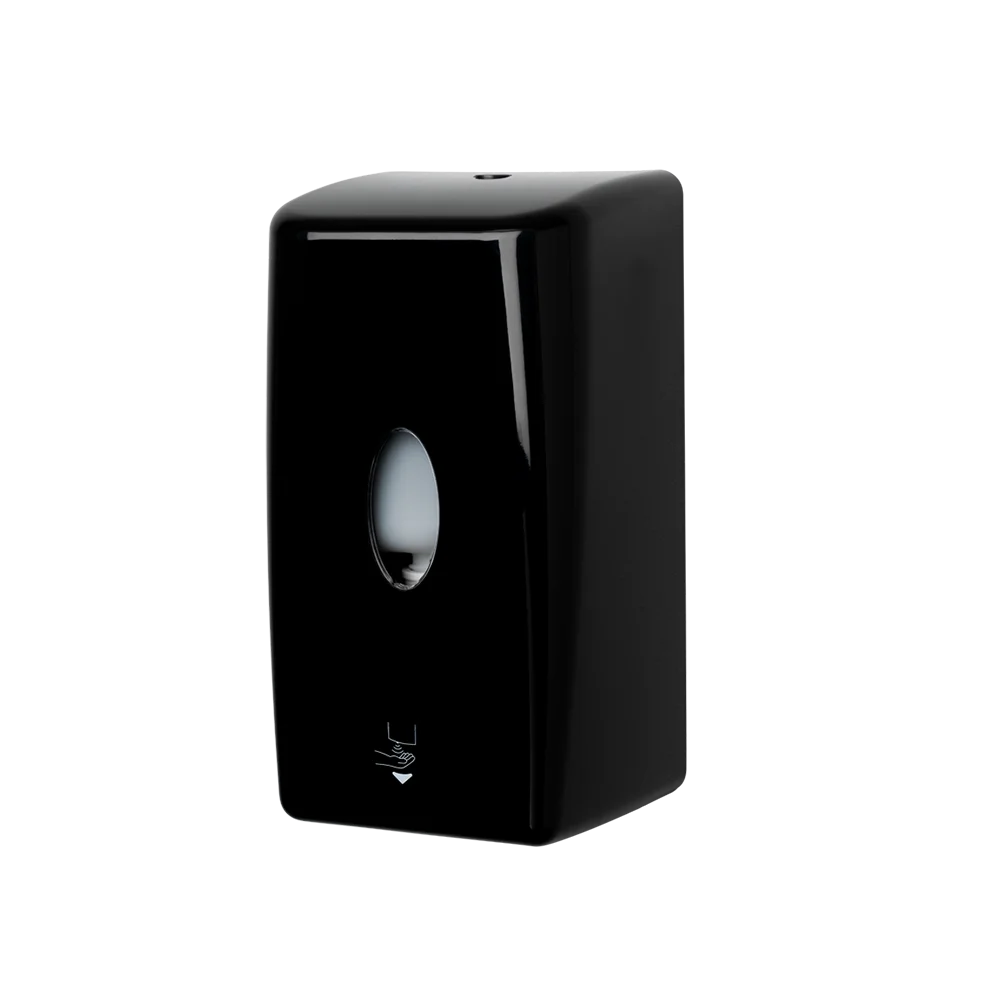
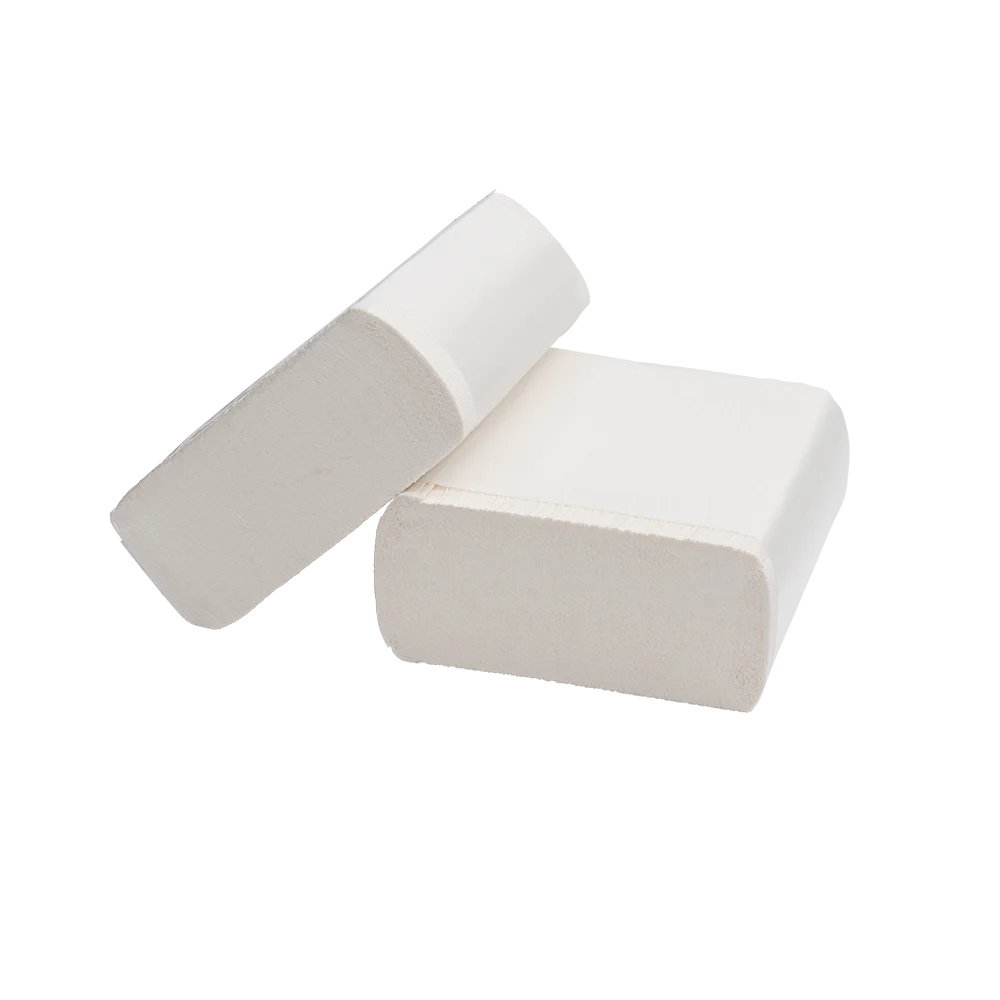



A washroom dispenser looks like a small purchase until it causes daily problems: refills that do not fit, paper towels running out at lunchtime, a toilet roll unit that is awkward to service, or a soap dispenser mounted where users cannot reach it comfortably.
Choosing the right dispenser starts with the consumable. Soap, paper hand towels and toilet rolls each need a dispenser built for specific refill formats and sizes. From there, the best choice depends on washroom traffic, available wall space, maintenance routines, durability and compatibility with the products you plan to buy regularly.
This guide explains the main washroom dispenser types, what to check before ordering, and how to match dispensers with the right consumables.
Most commercial washrooms need a core set of dispensers: soap, hand drying and toilet tissue. Some facilities may also need extras depending on the layout, user numbers and cleaning schedule.
For a simple starting point, browse the main commercial washroom dispensers collection, then narrow your choice by consumable type.
|
Dispenser type |
Common use |
Best suited to |
Key compatibility checks |
|
Soap dispensers |
Hand washing at basins |
Offices, schools, hospitality, retail, public washrooms |
Liquid, foam or cartridge format, refill size, pump mechanism |
|
Hand towel dispensers |
Hand drying after washing |
Medium to high traffic washrooms, kitchens, healthcare-style environments |
Towel fold type, sheet size, dispenser capacity |
|
Toilet roll dispensers |
Toilet cubicles |
Any commercial washroom |
Core size, roll diameter, jumbo or conventional format |
|
Centre-feed or wiping dispensers |
Cleaning areas, kitchens and utility spaces |
Janitorial rooms, back-of-house areas, workshops |
Roll width, roll diameter, centre-feed compatibility |
|
Sanitiser dispensers |
Entrance points, shared areas or washrooms |
Reception areas, food handling spaces, public facilities |
Gel, liquid or foam format, cartridge or bulk-fill design |
Commercial soap dispensers help control product use and keep basins tidier than loose bottles. They are usually wall mounted and may be manual or automatic, depending on the model.
The first decision is refill type. Some units take bulk-fill liquid soap, while others use sealed cartridges. Cartridge systems can be cleaner and quicker to change, but they must be matched to the correct manufacturer’s refill. Bulk-fill units may offer more flexibility, but cleaning and refilling need to be managed carefully.
Useful checks include:
Whether the dispenser accepts liquid, foam or gel soap
Refill capacity
Viewing window or level indicator
Lockable cover
Wall mounting method
Drip control and ease of cleaning
If using cartridge soap, check the exact compatible soap refills before buying.
Hand towel dispensers are a common choice for commercial washrooms because paper towels are simple, hygienic and easy to monitor. They also work well in places where users need quick hand drying without touching shared surfaces beyond the paper itself.
The main compatibility issue is towel fold. Dispensers are often designed for specific formats such as C-fold, Z-fold, V-fold, interfold or multifold towels. A towel that is too wide, too narrow or folded incorrectly may jam, over-dispense or fail to present properly.
Check the dispenser specification against the paper hand towels you plan to order.
Toilet roll dispensers vary more than many buyers expect. Some hold conventional small rolls, while others take jumbo rolls, mini jumbo rolls or twin-roll systems.
High-traffic facilities often benefit from larger-capacity units because they reduce refill checks and lower the risk of empty cubicles during busy periods. Smaller workplaces may prefer compact dispensers that fit neatly into limited cubicle space.
Before choosing, check:
Maximum roll diameter
Core size
Single, twin or jumbo configuration
Locking mechanism
Cubicle wall space
Ease of roll change for cleaning staff
Match the unit with compatible toilet rolls, not just any roll that looks similar.
Good dispenser buying is less about picking the most advanced model and more about matching the washroom to the way it is used. Before placing an order, look at these practical factors.
Capacity affects how often dispensers need filling. A small soap unit may be fine in a two-person workplace, but it can become a daily nuisance in a busy school or public building.
Think about:
Number of users per day
Peak times, such as breaks, lunch periods or shift changes
Cleaning team visit frequency
Risk of dispensers running empty between checks
For high-traffic sites, larger-capacity paper towel dispensers and toilet roll dispensers can reduce interruptions.
Measure before buying. Dispenser dimensions matter in compact cubicles, narrow washrooms and basin areas with mirrors, splashbacks or hand dryers already in place.
Check:
Overall height, width and depth
Clearance needed to open the cover
Space above basins or beside toilets
Whether the dispenser could block grab rails, bins or door swings
User reach height, including accessibility needs
Do not rely only on photos. Product images can make units look smaller or larger than they are.
Most commercial dispensers are wall mounted, but the fixing method and wall type still matter. A dispenser installed on a weak surface may loosen over time, especially in busy facilities.
Confirm:
Whether fixings are included
Suitable wall materials
Required drilling or mounting method
Access needed for opening and refilling
Whether electrical work is needed for any powered model
Automatic units may be battery powered or mains powered, depending on the model. Always check the product specification for power requirements.
A dispenser is only useful if compatible refills are easy to source. Before committing to a system, check that the matching soap, towels or rolls are available in the quantities and pack sizes your business needs.
This is especially important for cartridge soap systems and specialist paper towel formats. If refills are limited, the low upfront price of the dispenser may not help in the long term.
Commercial washrooms need dispensers that can handle regular cleaning, frequent use and occasional rough handling. Look for smooth surfaces, simple covers and parts that do not trap grime.
In higher-risk settings, lockable dispensers can help prevent tampering and reduce waste. For hospitality or customer-facing spaces, appearance may also matter more, especially where the washroom reflects the wider standard of the premises.
Dispensers should be easy to use without instructions. If someone has to tug hard, wave repeatedly or search for the paper outlet, the unit will cause frustration and mess.
Place dispensers where they support the natural flow of the washroom:
Soap near the basin
Hand towels close to hand washing areas
Toilet roll within easy reach from the toilet
Waste bins close to towel dispensers
Sanitiser where users expect to find it
Manual and automatic dispensers both have a place. The right choice depends on budget, traffic, maintenance capacity and the consumable being dispensed.
Manual units are simple. They do not need batteries or sensor checks, and they are often easier to install. They are a practical fit for many offices, staff toilets, smaller workplaces and utility areas.
Automatic dispensers reduce touchpoints and can help control dose or sheet delivery, depending on the product. They may suit higher-use washrooms, hospitality spaces and facilities that want a more modern user experience.
The trade-off is maintenance. Automatic units need power, and batteries must be checked as part of the cleaning routine if the model uses them. Sensors also need to stay clean and unobstructed.
|
Option |
Strengths |
Things to check |
|
Manual dispensers |
Simple to use, no power required, often lower maintenance |
Push mechanism, ease of dispensing, durability |
|
Automatic dispensers |
Touch-free use, controlled dispensing on some models, modern feel |
Battery or mains power, sensor position, compatible refills |
There is no single best option for every site. A small workplace may get better value from manual soap and paper towel units. A busy hospitality venue might prefer automatic soap dispensing at customer-facing basins, with high-capacity manual toilet roll holders in cubicles.
Compatibility is the most common mistake when buying commercial washroom dispensers. A dispenser and refill can look suitable online, yet fail in use because the size, fold, core or cartridge format is wrong.
Use the product specification as the source of truth. If the specification lists exact compatible refills, follow that guidance.
Soap units may use:
Bulk-fill liquid soap
Bulk-fill foam soap
Sealed cartridges
Manufacturer-specific refills
Do not assume a foam soap refill will work in a liquid soap dispenser. The pump and nozzle are usually designed for a particular product type.
Hand towel dispensers must match the towel fold. Common paper towel formats include C-fold, Z-fold, V-fold and interfold. The dispenser should also suit the sheet width and depth of the folded towel.
If the towel is not compatible, users may pull out clumps of paper or the dispenser may jam.
Toilet roll compatibility often depends on:
Roll diameter
Core diameter
Roll width
Jumbo, mini jumbo or conventional format
Twin-roll or single-roll design
Large rolls are useful, but they need enough cubicle space and a dispenser designed to hold them.
Once the correct combination is confirmed, keep a simple list of dispenser models and matching refills. This helps procurement teams, cleaners and contractors order the right products without guessing.
A useful record might include:
Dispenser name or product code
Location installed
Compatible refill product
Refill pack size
Battery type, if applicable
Cleaning or inspection notes
Different sites place different demands on washroom equipment. The same product range can work across several facility types, but the priorities change.
Office washrooms usually need reliable, tidy and easy-to-maintain dispensers. Moderate-capacity soap, hand towel and toilet roll units often work well.
For shared office buildings, choose lockable dispensers and refills that cleaning teams can restock quickly. If storage space is limited, avoid too many different refill formats across floors.
Education settings can see heavy use in short bursts. Break times and lunch periods put pressure on soap, towels and toilet rolls.
Durability and capacity matter here. Lockable units, strong covers and simple manual operation can be practical. Larger-capacity toilet roll and paper towel dispensers may reduce emergency restocking.
Hotels, restaurants, pubs and leisure venues often need dispensers that look clean and fit the style of the space. Customer-facing washrooms may call for smarter finishes, while staff areas may prioritise capacity and low maintenance.
Automatic soap dispensers can work well in some guest washrooms, but they still need a clear battery or power maintenance routine.
Public washrooms need tough, secure and high-capacity dispensers. Lockable units are usually a sensible choice. Easy refill access for staff matters, but the unit should still protect consumables from waste and tampering.
Check that installation positions do not obstruct accessible facilities, baby changing areas or circulation space.
Small shops, workshops and clinics may not need large dispensers. Compact units can save wall space and reduce the amount of stock sitting unused.
The main goal is simplicity: choose common refill formats, easy wall mounting and units that one person can check quickly.
Use this checklist before ordering.
Consumables
Confirm whether you need soap, paper towels, toilet rolls or other dispensers.
Match each dispenser to the correct refill type.
Check refill availability and pack size.
Avoid mixing too many refill systems across one site.
Capacity
Estimate daily user numbers.
Allow for peak usage periods.
Choose larger units where cleaning checks are less frequent.
Make sure storage space can hold spare refills.
Fit and installation
Measure wall space before ordering.
Check height, width and depth.
Confirm cover opening clearance.
Review mounting instructions.
Check wall type and fixing requirements.
Operation and access
Decide between manual and automatic where both are available.
Check battery or power needs for automatic models.
Make sure users can reach and operate the dispenser easily.
Choose lockable units where security or waste control matters.
Maintenance
Check how refills are loaded.
Look for easy-clean surfaces.
Confirm whether viewing windows or level indicators are included.
Keep a record of compatible refill products.
Most commercial washrooms need soap dispensers, hand towel dispensers and toilet roll dispensers. Some sites may also need sanitiser dispensers, centre-feed towel dispensers, air freshener units or hygiene disposal products, depending on the facility and washroom layout.
Check the dispenser’s product specification first. For soap, confirm the liquid, foam or cartridge format. For paper towels, match the fold type and sheet size. For toilet rolls, check roll diameter, core size and whether the dispenser takes standard, jumbo or twin-roll formats.
No. Automatic dispensers can reduce touchpoints and offer controlled dispensing on some models, but they need batteries or mains power and regular checks. Manual dispensers may be a better fit for smaller sites, utility areas or facilities that want simple maintenance.
Check frequency depends on traffic, dispenser capacity and cleaning schedules. Busy washrooms may need checks several times a day, while small workplaces may only need daily or periodic checks. Monitor usage for the first few weeks after installation and adjust the routine as needed.
The right dispenser should make washroom maintenance easier, not harder. Start with the consumables you plan to use, then check capacity, dimensions, mounting, power needs and refill compatibility before buying.
For the best results, keep each washroom simple. Use compatible refills, choose enough capacity for the level of traffic, and make sure cleaning teams can restock units without confusion.
Browse commercial washroom dispensers, including commercial soap dispensers, paper towel dispensers, toilet roll dispensers and matching washroom consumables to build a practical setup for your facility.


